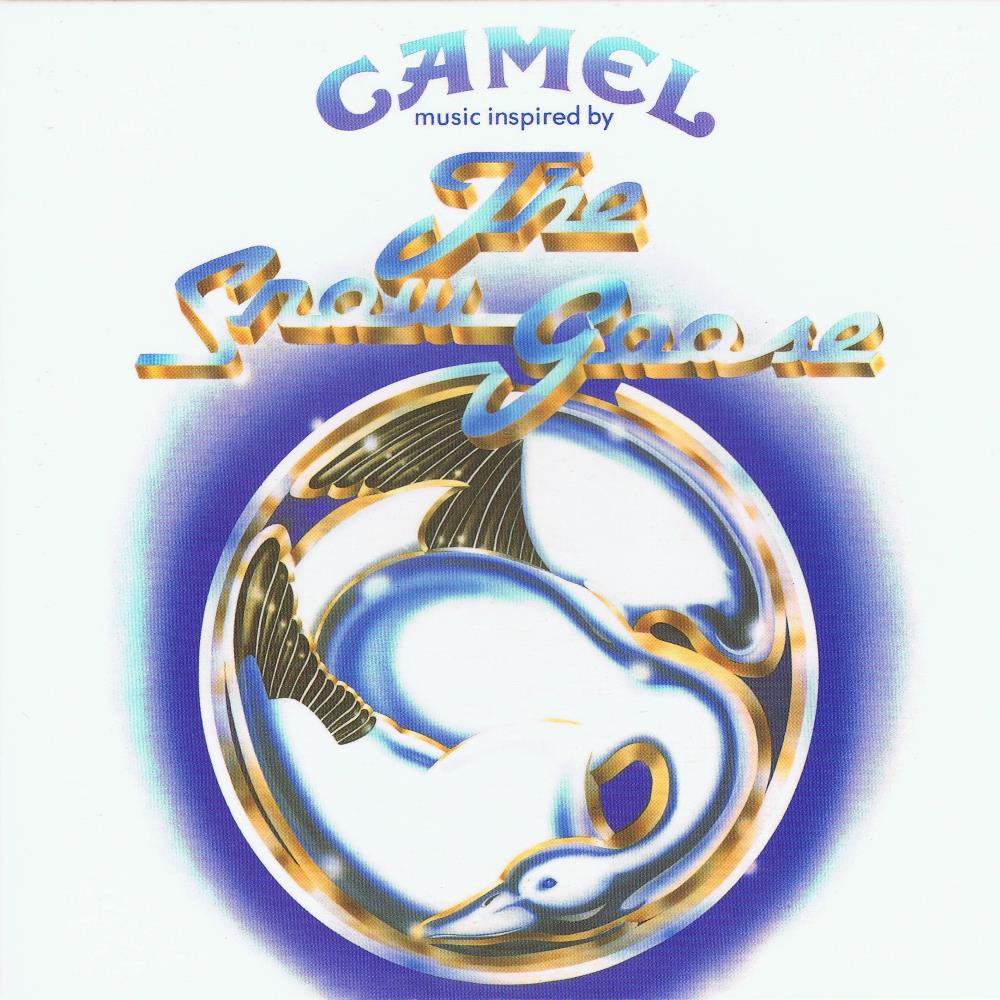
The Snow Goose is Camel’s third studio album.
Camel’s excellent album Mirage from the previous year boosted the band’s stock slightly, but the group was still stuck in the C-series of progressive rock in terms of popularity. Far behind the yeses, elps and pinkfloyds.
What’s next? Camel had yet to look at the concept album card and after considering various options (including Herman Hesse Siddhartha was considered), the band decided to adapt Paul Callico ’s novella The Snow Goose: A Story of Dunkirk. However, the rights to use Callico’s lyrics directly were denied (for the same reason the full official title of the album is The Music Inspired By The Snow Goose) and the band decided to make the album entirely instrumental.
An instrumental album sounds like a risky venture for a band that was clearly aiming for mainstream success. However, the risk becomes an opportunity when you remember that young multi-instrumentalist Mike Oldfield had just sold millions of copies of his own instrumental and melodic prog with Tubular Bells. Vocals had also never been one of Camel’s real strengths before, so the instrumental route was understandable in that sense too.
Camel also had a vision of more symphonic music in mind, and to support this, David Bedford, who had previously dabbled between art music and progressive rock (and who coincidentally has worked a lot with Oldfield) was hired to do orchestral arrangements.
The Snow Goose consists of 16 short (1-5 minutes) songs that are intertwined so smoothly that we really can talk about a rather coherent 43 minute suite instead of separate tracks. It is even somewhat difficult to distinguish individual tracks from the whole, which shows how skilfully Camel has constructed the music. Only a few times the transition from one song to another is made by an all too obvious fade-out.
Read also:
- Levyarvio: Steve Walsh – Glossolalia (2000)
- Year by Year : Best Albums of 1976 – 21-29
- Levyarvio: Jimmy Page – Outrider (1988)
- Review: Brian Eno + David Byrne – My Life in the Bush of Ghosts (1981)
- Levyarvio: Gong – Zero To Infinity (2000)
- Review: Michael Oldfield – Heaven’s Open (1991)
- Review: Talk Talk – The Colour Of Spring (1986)
- Levyarvio: Jeff Wayne – Jeff Wayne’s Musical Version Of The War Of The Worlds (1978)
- Review: Gong – Shamal (1976)
In the absence of vocals, Camel’s music is built more than usual on Andrew Latimer’s melodic guitar playing. Latimer smoothly takes on a kind of vocalist’s role with his guitar and lets his guitar sing the story of the album. Latimer’s beautiful and lyrical guitar playing is stylish and tastefully executed throughout the album, but also a little unsurprising. The same is true for the whole album, actually. For all the beauty and fluidity, I could do with a little more friction. Something surprising. As it is, the album is in danger of turning into a mere wallpaper of sound at times. A quality one, of course. The martial ”Dunkirk” at least brings some energy to the album with its march, but I would have liked to see that song go a bit further.
Bedford’s orchestral arrangements are a successful addition and are used quite sparingly here and there. The orchestra also sometimes offers short chamber music-like interludes where the band is not heard at all. For example, a short piece of ”Friendship” with a beautifully playing oboe is quite charming. I would have liked to hear the orchestra used a little more.
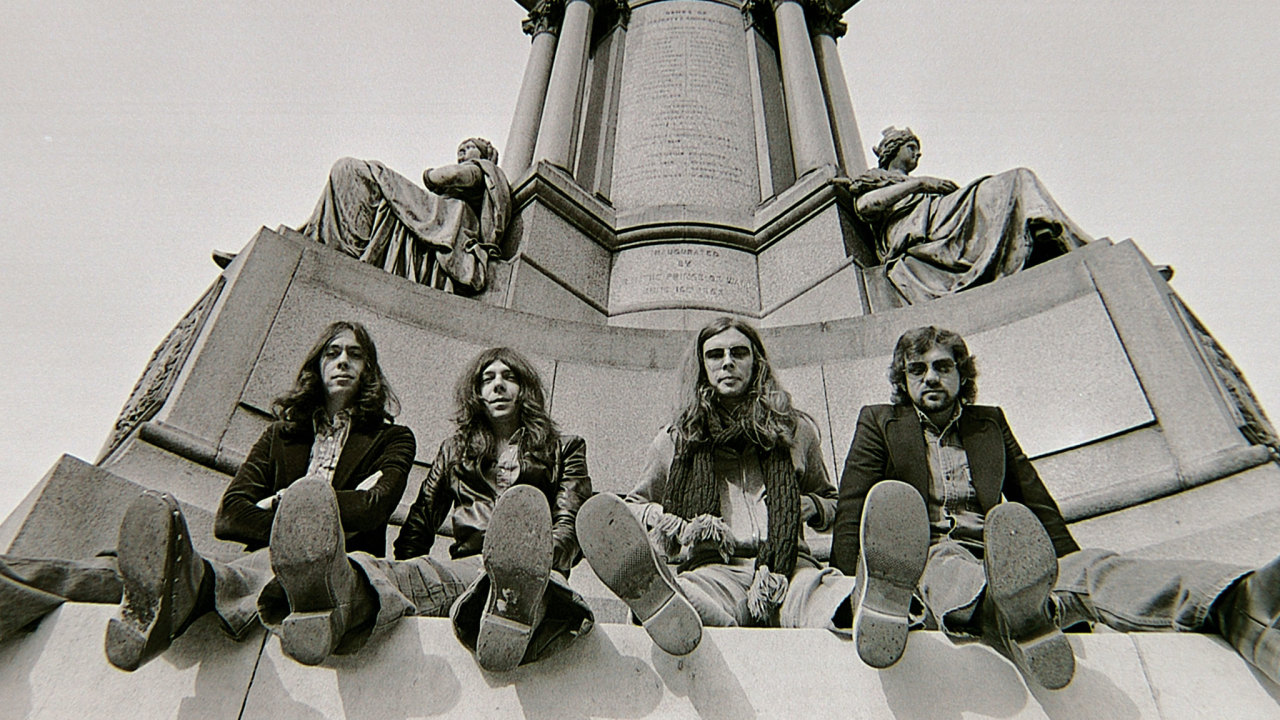
Camel’s ”gamble” was a success. The instrumental The Snow Goose may not have managed to put the band in the A-list, but it became the band’s most successful album, peaking at number 22 in the UK album charts and eventually selling a quantity worthy of a silver disc. The Snow Goose is also probably still Camel’s most beloved album. For my taste it’s a little too tame to be one of Camel’s top albums, but at its best it’s still a very atmospheric album.
Best tracks: ”Rhyader”, ”Rhyader Goes To Town”, ”Friendship”, ”Migration”, ”Dunkirk”
Author: JANNE YLIRUUSI
Read also: Camel – Stationary Traveller (1984)
Tracks:
Side A
1. ”The Great Marsh” 2:02
2. ”Rhayader” 3:01
3. ”Rhayader Goes to Town” 5:19
4. ”Sanctuary” 1:05
5. ”Fritha” 1:19
6. ”The Snow Goose” 3:11
7. ”Friendship” 1:43
8. ”Migration” 2:01
9. ”Rhayader Alone” 1:50
Side B
10. ”Flight of the Snow Goose” 2:40
11. ”Preparation” 3:58
12. ”Dunkirk” 5:19
13. ”Epitaph” 2:07
14. ”Fritha Alone” 1:40
15. ”La Princesse Perdue” 4:43
16. ”The Great Marsh” 1:20
Musicians:
Andrew Latimer: guitars, flute, vocals Peter Bardens: organ, electric piano piano, , Minimoog, ARP Odyssey Doug Ferguson: bass guitar Andy Ward: drums, vibraphone, percussion
Production: David Hitchcock
Label: Gama/Decca
 Pienemmät Purot
Jätä kommentti